
Eat well. Bias your diet to lean protein and use carbohydrates and fats as condiments. Optimize your weight. In midlife, it’s especially crucial to avoid obesity. Since a typical adult walks two to three million steps per year, with each step landing at up to five times your body weight, a simple 10lb. weight loss can mean taking a load of up to 50 lbs. off your joints with each of those steps. As we enter our older years, we naturally tend to eat less—but we still need protein to build muscle to protect our bones and joints.
Use water as your first beverage at every meal, and on your desk at work. Hydrate routinely because, as you age, the recognition of the stimulus of thirst declines. Dehydration stresses all of the cells in your body, yet you often don’t realize you are dehydrated. When you are well hydrated, your muscles, brain, and all your internal organs work better. Choose water over caffeine, alcohol, and sugary drinks as your first beverage, and then have a treat of whatever beverage you prefer after the glass of water is finished.
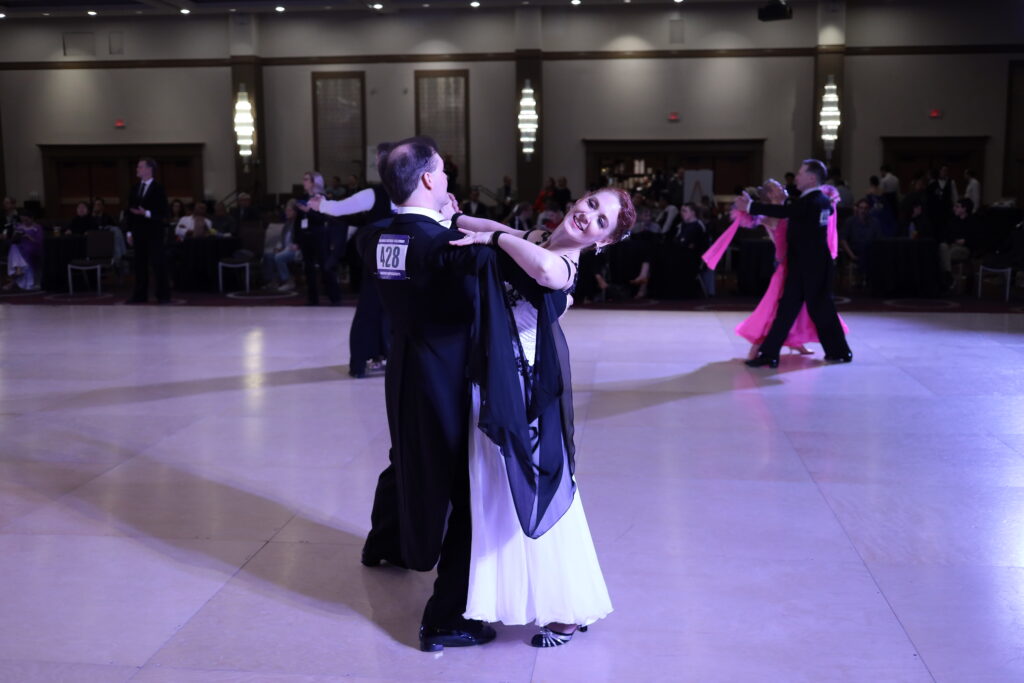
Replace not just your vitamins with a multivitamin each day, but your declining hormones as well. The entire science of male and female hormone replacement therapy is having a resurgence as we recognize that, with aging, hormonal decline is a major part of the osteoporosis, muscle loss, brain fog, and sexual decline affecting both males and females. Women recognized this first and have been treating it during the run-up to menopause and now throughout the post-menopausal years with estrogen and progesterone replacement. Males have, in general, been denied hormone replacement therapy (only now are there ads everywhere for “low T”). The whole story is surely more complicated, as there are a host of hormones we have yet to explore and utilize for longevity.
Small peptides such as the GLP-1 drugs used for weight loss are now being used for muscle stimulation, reducing inflammation, and improving outlook. The small peptides (BPC-157) are used widely by athletes to restore lost muscle, especially after injury. Once the science is solidified, these small peptides will likely be deployed to optimize performance in mid-life and boost physiology for the elderly.
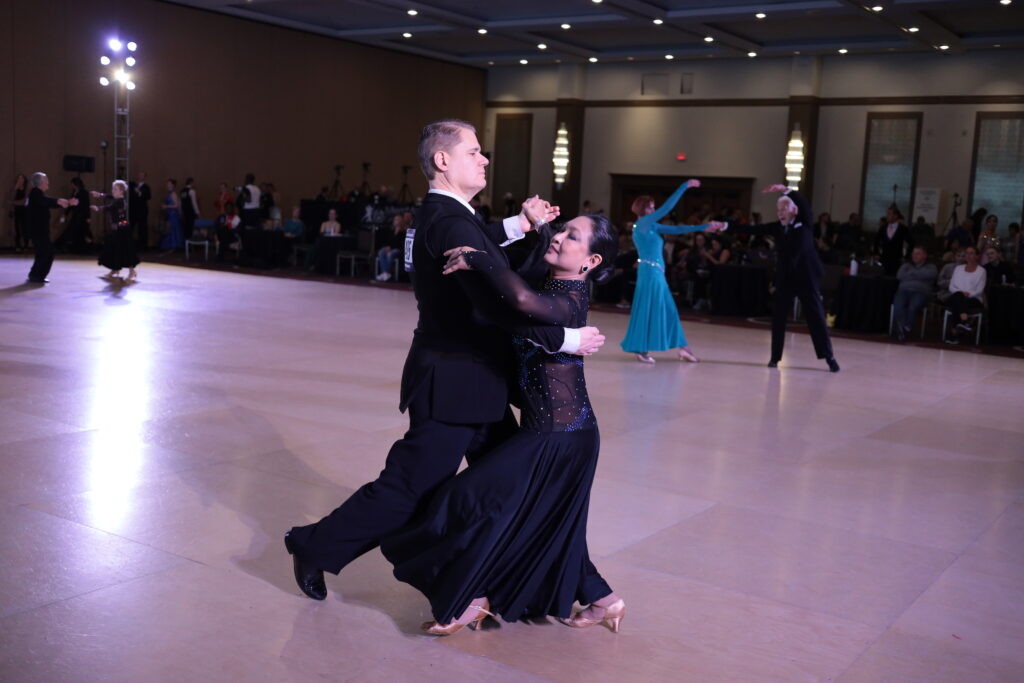
Socialize more. The art of having fun and the pleasure of staying intellectually active and curious are directly correlated with both long life and psychological well-being. Develop skills, join social circles, and build a personal platform for aging in a community rather than alone in depression. Exercise your curiosity skills as well. Curiosity seems to be the leading attribute of people who are fully engaged throughout their lifetimes. Augmented Intelligence (AI) provides tools for all of us, at every age, to build upon the sum total of human knowledge.
Treat musculoskeletal disorders early and well. There’s no point in living a long life if you can’t move. Arthritic joint injuries that cause limited mobility are all treatable. With the advent of biologic joint replacements and robotics, almost all of the techniques to restore damaged joints permit patients to return to most sports— as opposed to the reduction in activities recommended in the past.
Our goal with injuries at every age is to restore the patient to a fitter, faster, and stronger level than they have been in years. If you can use this principle at every stage of life—for every injury, disease, and setback—you’ll be treating yourself the way professional athletes treat themselves when an injury interrupts their career. A pro athlete engages the best therapists, fitness trainers, nutritionists, medical team, sports psychologists, and coaches to help them return to their sport at a higher level than before injury. That’s exactly how you should see yourself as you age. Use every day as an opportunity to become better than you were the day before.
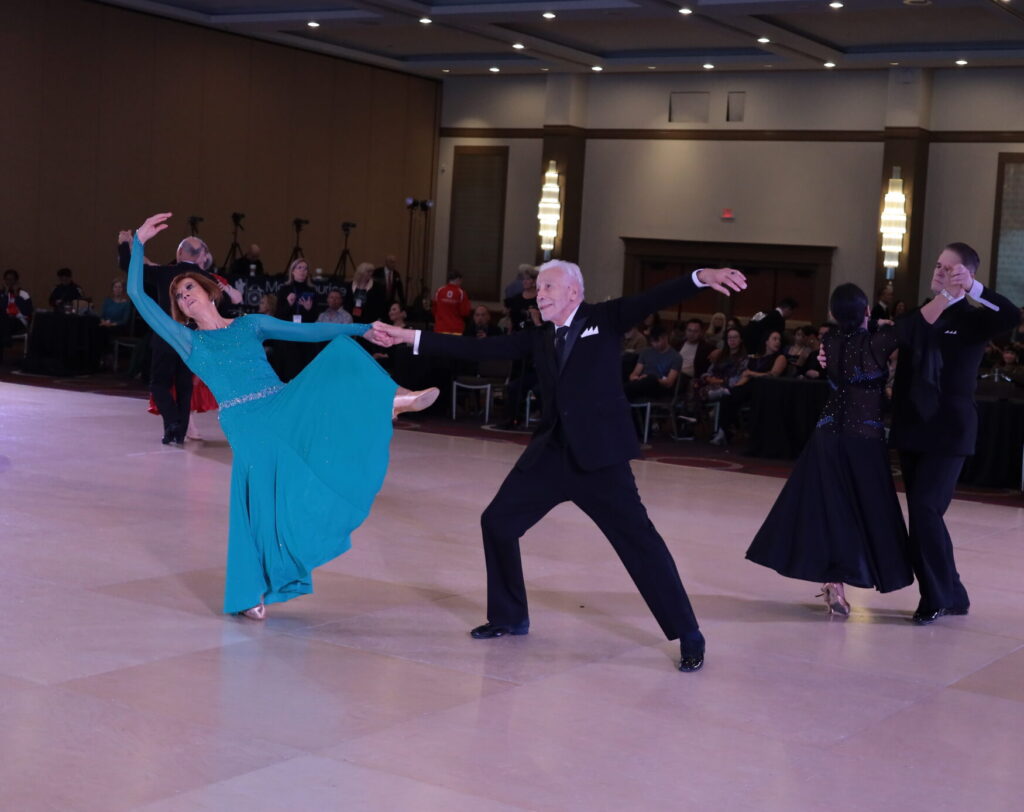
Aging well is often about common sense, avoiding injuries, and accelerating our opportunities to both self-improve and contribute to the world around us. Our goal is to play forever. With a little forethought, it is only a question of which games to choose.
 Kevin R. Stone, MD
 Kevin R. Stone, MD
Dr. Kevin R. Stone is a pioneer of advanced orthopaedic surgical and rehabilitation techniques to repair, regenerate, and replace damaged cartilage and ligaments.
He is an orthopaedic surgeon at The Stone Clinic and also the chairman of the Stone Research Foundation. He lectures around the world as an expert in cartilage and meniscal growth, replacement, and repair and holds over 40 U.S. patents on novel inventions to improve healthcare.
Dr. Stone uses anabolic therapy and other biologic techniques to work to preserve the natural biology of a joint, helping people avoid or delay an artificial joint replacement.
At The Robotic Joint Center, Dr. Stone uses advanced robotic-assisted surgery techniques to ensure that partial and total knee replacements result in precise alignment and a more natural feeling knee
Dr. Stone was trained at Harvard University in internal medicine and orthopaedic surgery and at Stanford University in general surgery. His fellowship was in research at the Hospital for Special Surgery and in knee surgery in Lake Tahoe. Dr. Stone is consistently listed as one of the country’s top 25 Ambulatory Surgery Center (ASC) leaders and ranks amongst the country’s top 75 knee surgeons.
Editor’s Note: Thank you to Dr. Kevin Stone and the Stone Clinic for allowing American Dancer to republish his articles. Read about one of our National Champions’ experiences with a knee replacement by Dr. Stone at the Stone Clinic. Link: Senior III and IV Smooth and Standard Dancer Mike Lynch talks about his injury, research, procedure, therapy, and progress. Mike also provides a checklist to help you if you travel for surgery. Since his partial knee replacement, Mike has won three USA Dance National Championship titles.
Dr. Stone is a physician for Smuin Ballet and has served as a physician for the U.S. Ski Team, the U.S. Pro Ski Tour, the Honda Ski Tour, the Jeep 48 Straight Tour, the Old Blues Rugby Club, Lawrence Pech Dance Company, Marin Ballet, the modern pentathlon at the U.S. Olympic Festival, the United States Olympic Training Center, and for the World Pro Ski Tour. He’s been featured on Good Morning America, the Ologies podcast, and Star Talk podcast hosted by Neal deGrasse Tyson. He is the best-selling author of the book Play Forever. He also served as a columnist for the San Francisco Examiner and writes a weekly blog at www.stoneclinic.com/blog.
Dr. Stone enjoys skiing, windsurfing, and biking.